
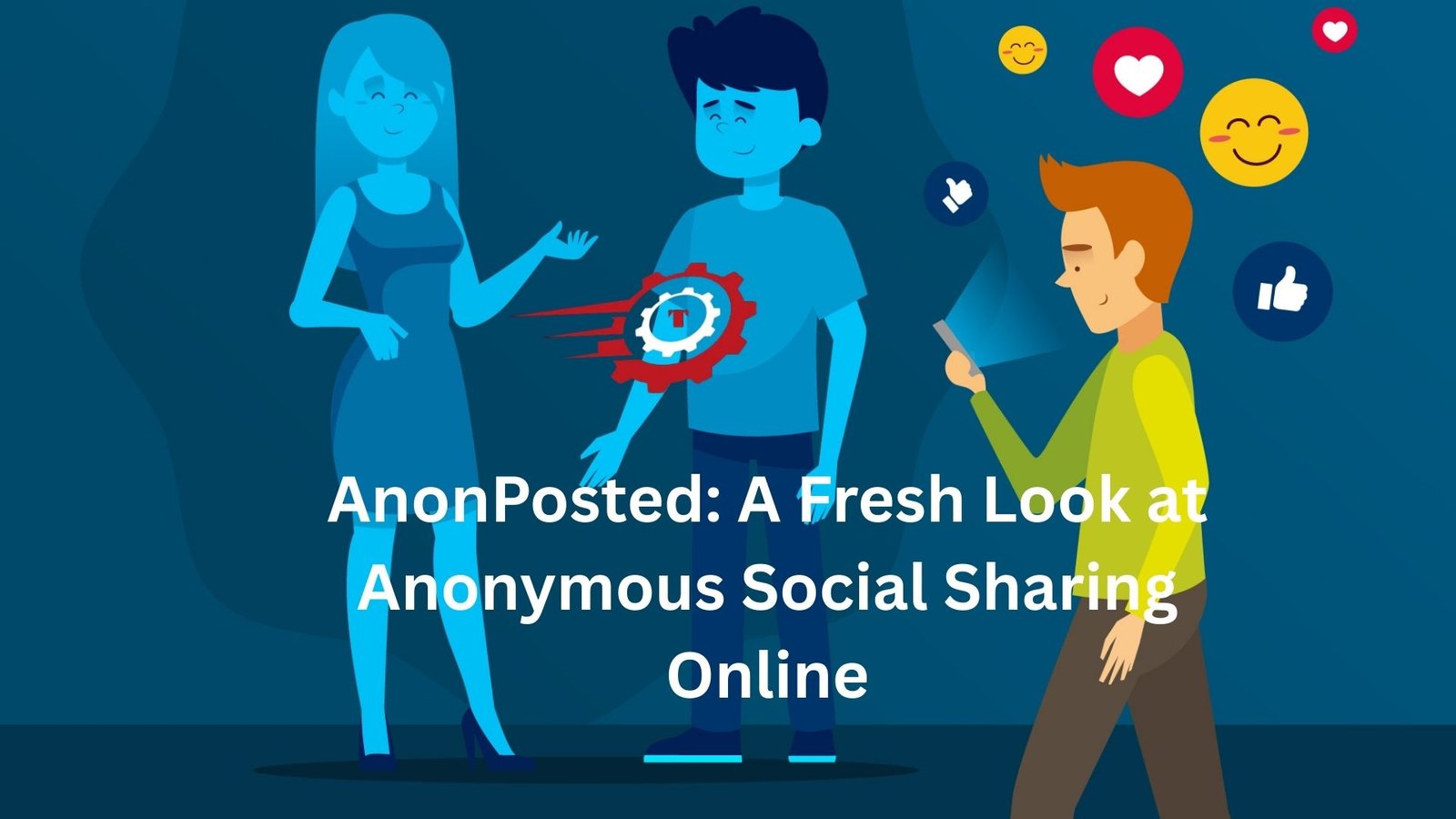
The internet has always had a strange relationship with anonymity. We want to be seen, but we also want to hide. We want to speak freely, but we don’t always want our name attached to what we say. That tension is exactly where AnonPosted lives.
AnonPosted.net is part of a growing wave of platforms built around anonymous expression. But it’s not just another confession board or chaotic comment wall. It’s more structured than that. Cleaner. More intentional. And in a time when most platforms are obsessed with identity, followers, and personal branding, that feels almost rebellious.
Let’s dig into what makes AnonPosted interesting — and why anonymous platforms still matter more than most people think.
The Pull of Anonymity in a Real-Name World
Most social platforms today revolve around personal identity. Your name, your face, your history. Everything follows you. Every comment, every opinion, every joke.
Now imagine this scenario. You’re in college. You have something uncomfortable you want to say — maybe about campus policies, maybe about social pressure, maybe about something deeply personal. You don’t want it tied to your Instagram. You don’t want it searchable five years from now when you’re applying for jobs.
That’s where anonymous spaces make sense.
AnonPosted taps into that need. It gives people a space to express thoughts, opinions, and questions without the baggage of a public profile. No social currency. No follower count. No polished persona.
And here’s the thing — when identity drops away, honesty often increases.
What AnonPosted Actually Does
At its core, AnonPosted.net is a platform for anonymous posting and interaction. Users can submit content without revealing who they are. Others can read, react, and engage.
It sounds simple. It is simple. But simplicity online is rare.
There’s no pressure to build a brand. No need to curate a feed. No highlight reel lifestyle.
Instead, you get raw thoughts. Confessions. Questions. Opinions. Sometimes funny. Sometimes serious. Occasionally messy.
That’s the trade-off with anonymity. You gain honesty, but you also risk chaos. The interesting part is how platforms like AnonPosted try to balance that line.
Why Anonymous Platforms Still Matter
Some people assume anonymous spaces are outdated. A relic of early internet forums. But that misses the bigger picture.
Real-name platforms encourage performance. You’re always aware of who’s watching. You edit yourself. You soften your opinions. You avoid certain topics.
Anonymous platforms reduce that friction.
Someone dealing with anxiety might post something they’d never say publicly. A student might admit confusion about something everyone else pretends to understand. An employee might talk about workplace pressure without risking their job.
It’s not just about hiding. It’s about freedom.
And let’s be honest — the modern internet can feel exhausting. Every post feels permanent. Every opinion feels recorded. Anonymous spaces offer a break from that.
The Psychology Behind Speaking Freely
There’s something powerful about removing your name from your words.
Psychologists have studied this for years. When identity cues are removed, people often feel less socially constrained. They’re more likely to share vulnerable thoughts. Sometimes that leads to negativity, sure. But it also leads to authenticity.
Think about the difference between asking a sensitive question in a public meeting versus writing it anonymously in a feedback form. Same question. Completely different emotional experience.
AnonPosted functions a bit like that feedback form — but on a social scale.
The platform becomes a digital room where people can say what’s on their mind without worrying about reputation damage.
That’s a strong appeal, especially for younger users who’ve grown up in a hyper-visible digital world.
The Good, the Bad, and the Realistic
No anonymous platform is perfect. That’s just reality.
When identity disappears, accountability can weaken. Some users will misuse that freedom. That’s true across the internet, not just here.
But here’s the nuance people often miss: anonymous spaces aren’t inherently toxic. They reflect the culture that forms within them.
If moderation is thoughtful and community standards are clear, anonymous platforms can foster genuine connection. If not, they drift into noise.
AnonPosted’s value depends on how users approach it. If people use it to share honest thoughts, seek advice, or spark real conversation, it becomes meaningful. If it becomes a dumping ground, it loses depth.
That balance matters.
How It Feels Different From Traditional Social Media
Scrolling traditional social media can feel like walking through a carefully staged showroom. Perfect photos. Polished captions. Strategic vulnerability.
AnonPosted feels more like overhearing real conversations.
It’s not about aesthetics. It’s about content.
You’re not evaluating someone’s lifestyle. You’re reading their thoughts.
That shift changes how you engage. You respond to ideas rather than personalities. You react to what’s said, not who said it.
In a subtle way, that can make discussions more focused. Without profile pictures and follower counts influencing perception, opinions stand on their own.
It’s almost refreshing.
Who Is It Really For?
Anonymous platforms aren’t for everyone. Some people thrive on identity-based social networking. They enjoy building audiences and sharing curated experiences.
AnonPosted appeals more to those who want to express without performing.
Students. Curious thinkers. People navigating complicated emotions. Even introverts who have something to say but don’t love public attention.
Picture someone lying awake at night, overthinking something they can’t talk about openly. Posting anonymously might feel like exhaling.
That’s the use case that makes sense.
It’s less about broadcasting and more about releasing.
The Quiet Power of Unfiltered Thought
One thing that stands out about anonymous content is how unpredictable it is.
You might find humor next to vulnerability. Random curiosity next to serious reflection.
That unpredictability creates a certain raw energy. It feels human.
There’s no algorithm trying to impress you with influencer content. Instead, you encounter unfiltered thought streams.
Sometimes that’s messy. Sometimes it’s profound.
But it rarely feels manufactured.
And in a digital world where everything feels optimized, that rawness can be oddly grounding.
Risks Worth Talking About
It would be unrealistic to pretend anonymity doesn’t carry risks.
Without identity markers, misinformation can spread. Hurtful comments can appear. Emotional posts can spiral.
The key question isn’t whether those risks exist. They do. The question is how they’re managed.
Responsible moderation matters. Clear reporting systems matter. Community tone matters.
Users also play a role. Anonymous platforms require a certain maturity. The freedom to speak anonymously comes with the responsibility to use that freedom well.
That’s not always easy. But when it works, it works surprisingly well.
Why Platforms Like This Keep Reappearing
Anonymous apps rise and fall. We’ve seen it before. Yet the concept never disappears.
Why?
Because the need doesn’t disappear.
As long as people feel social pressure in public spaces, they’ll seek private ones. As long as identity carries weight, some will look for places where it doesn’t.
AnonPosted fits into that larger pattern.
It’s part of a recurring cycle in internet culture. Visibility grows. Pressure increases. Anonymous spaces re-emerge as relief valves.
That pattern isn’t random. It’s human.
The Bigger Conversation About Digital Identity
Zoom out for a second.
The modern internet revolves around digital identity. Personal branding starts early now. Teenagers think about online presence in ways previous generations never had to.
That creates a kind of permanent stage.
AnonPosted represents the opposite of that stage. It’s a backstage room. No spotlight. No applause. Just words.
And sometimes, that’s healthier.
Not everything needs to be optimized for likes. Not every thought needs to build a profile.
There’s value in spaces that don’t attach your name to every sentence.
Final Thoughts on AnonPosted
AnonPosted.net isn’t trying to be flashy. It isn’t built around influencers or viral trends. It centers on something simpler: anonymous expression.
That simplicity is its strength.
In a hyper-visible internet culture, anonymous platforms offer breathing room. They allow honesty without branding. Conversation without performance.
They’re not perfect. No platform is. But they serve a specific purpose — and for the right users, that purpose matters.
If you’ve ever hesitated to post something because your name was attached to it, you already understand the appeal.
