

Ask a random person who owns Google and you’ll probably hear, “Google owns Google.” Sounds right, but it’s not quite how things work anymore.
The truth is a bit more layered—and honestly, more interesting.
Google is one of the most influential companies in the world. It shapes how we search, work, watch videos, navigate cities, and even how businesses survive online. So it’s fair to ask: who’s actually in control?
Let’s unpack it in plain English.
Google Isn’t Owned the Way You Think
Here’s the first twist: Google is not technically the top-level company anymore.
Back in 2015, the founders restructured everything and created a parent company called Alphabet Inc. Google became just one part of that larger umbrella.
Think of it like this. Imagine you run a small bakery, and over time you add a coffee shop, a catering business, and maybe a cooking school. At some point, you might create a holding company to manage all those pieces. That’s basically what happened here.
So if you’re asking who owns Google, the most accurate answer is:
Google is owned by Alphabet Inc.
But that just shifts the question one level up.
So Who Owns Alphabet?
Now we get into ownership in the real sense.
Alphabet is a publicly traded company. That means its ownership is split across millions of shares held by different people and institutions.
Some of the biggest shareholders include:
- Large investment firms like Vanguard and BlackRock
- Pension funds and mutual funds
- Individual investors (people buying stocks through apps or brokers)
If you’ve ever invested in an index fund, there’s a decent chance you already own a tiny slice of Alphabet without realizing it.
But here’s where things get interesting.
The Founders Still Hold the Power
Even though Alphabet is publicly traded, control isn’t evenly distributed.
Google’s co-founders, Larry Page and Sergey Brin, designed the company in a way that lets them keep significant control—even without owning the majority of shares.
They did this using a dual-class share structure.
Here’s the simple version:
- Regular investors get shares with limited voting power
- Founders and insiders hold special shares with much stronger voting rights
So even if Page and Brin don’t own most of the company economically, they still have outsized influence when it comes to decisions.
It’s like having fewer chips in a poker game, but each one counts for five.
This setup isn’t unique to Google. Companies like Meta (Facebook) and Snap use similar structures. But it does mean one important thing:
Alphabet is publicly owned, but not democratically controlled.
What About the CEO?
For a long time, Larry Page was the face of Google—and later Alphabet. But in 2019, he stepped back from his CEO role.
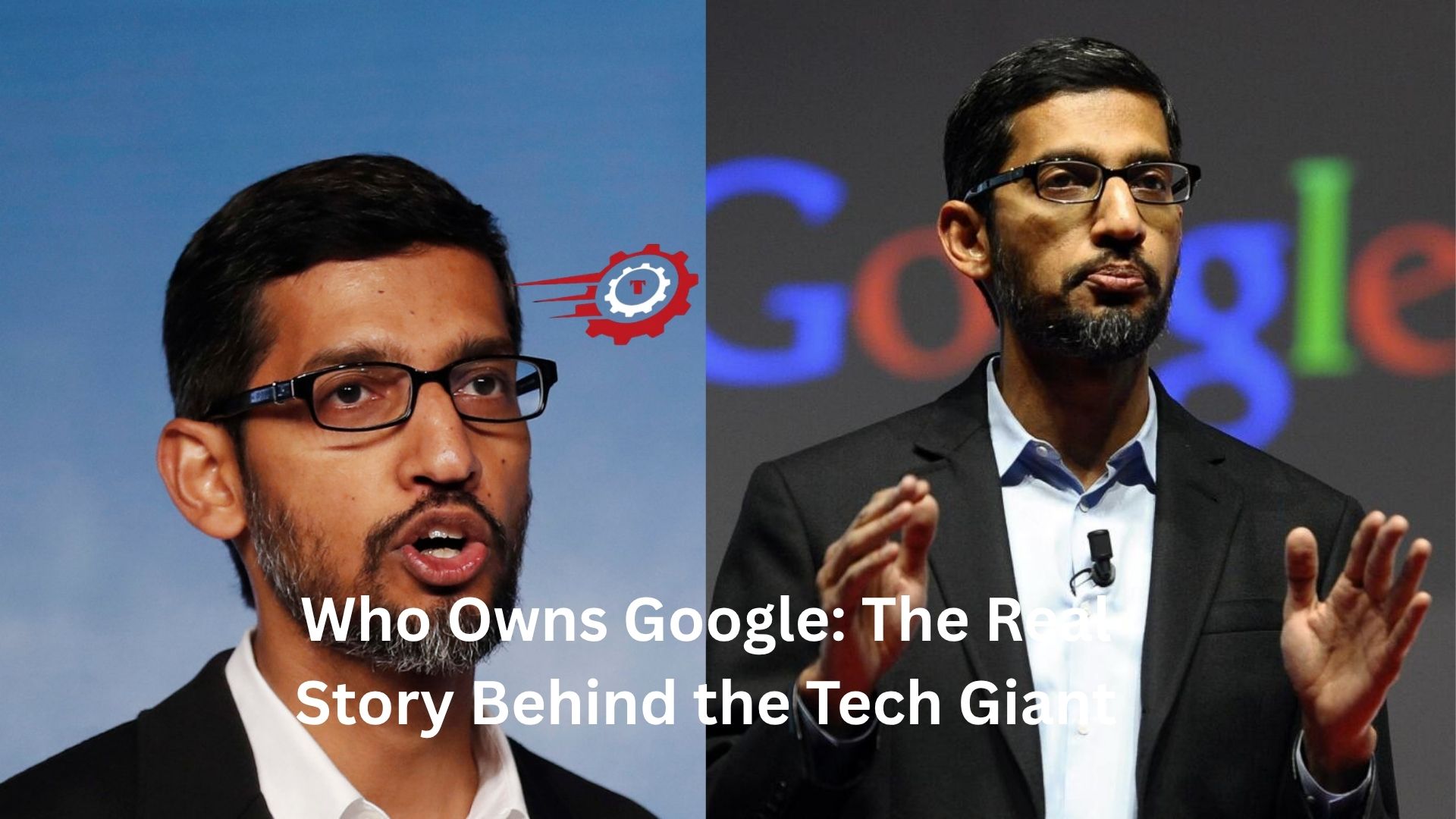
Today, Sundar Pichai runs the show.
He’s the CEO of both Google and Alphabet.
Now, being CEO doesn’t mean he owns the company. It means he’s responsible for running it day to day—making strategic decisions, managing teams, and steering the overall direction.
Think of him as the captain of a massive ship. He doesn’t own the ship, but he decides where it goes.
That said, he still answers to the board and, ultimately, to shareholders.
The Board of Directors: Quiet but Powerful
There’s another layer that often gets overlooked: the board of directors.
This group includes a mix of insiders and independent members. They don’t run daily operations, but they oversee major decisions, approve big moves, and can influence leadership.
Larry Page and Sergey Brin are still part of that world, even if they’re less visible now.
So while you don’t hear about the board much, they’re part of the ownership ecosystem—especially when it comes to long-term direction.
Why Alphabet Was Created in the First Place
Let’s step back for a moment. Why did Google even restructure into Alphabet?
It wasn’t just for fun.
By 2015, Google had grown into more than a search engine company. It was investing in things like:
- Self-driving cars (Waymo)
- Life sciences (Verily)
- High-speed internet (Google Fiber)
These projects didn’t always fit neatly into “Google” as a brand.
Creating Alphabet allowed the founders to separate the core business (search, ads, YouTube, Android) from these experimental ventures.
It also made financial reporting cleaner. Investors could see which parts of the business were making money and which were still bets on the future.
So when you think about ownership, remember this: owning Alphabet means owning a portfolio of companies, not just Google itself.
What Ownership Really Means Here
It’s tempting to think of ownership as a simple, one-person answer. But with companies like Google, it’s more like a layered system.
Here’s the practical breakdown:
- Public shareholders own most of the company financially
- Founders retain strong control through voting rights
- Executives run the company day to day
- The board oversees major decisions
No single person “owns Google” in the traditional sense.
And that’s actually part of why it’s so stable. Power is distributed—but not evenly.
A Quick Real-World Example
Let’s make this concrete.
Imagine you buy shares of Alphabet through your brokerage app. You now technically own part of Google.
Cool, right?
But your influence is tiny. You don’t get to call Sundar Pichai and suggest changes to YouTube.
Meanwhile, Larry Page and Sergey Brin, even with smaller ownership percentages, can still heavily influence the company because of their voting power.
So ownership and control don’t always line up.
That’s the key idea here.
Does Google Own Anything Else?
This is where things can get confusing.
People often flip the relationship in their heads and ask, “What does Google own?”
But remember: Google is a subsidiary.
Alphabet owns Google—and also owns other companies alongside it.
Inside Google itself, there are major products and services like:
- YouTube
- Android
- Google Maps
- Gmail
- Google Cloud
So when someone says “Google owns YouTube,” that’s true at the product level. But structurally, it’s still all under Alphabet.
It’s a bit like saying a department inside a company manages certain brands. The hierarchy matters.
Why This Ownership Structure Matters to You
At first glance, this might feel like inside baseball. Corporate structure isn’t exactly dinner table conversation.
But it does affect real things.
For example:
1. Decision-making speed
Because control is concentrated, Google can move fast on big bets without needing approval from a scattered shareholder base.
2. Long-term thinking
The founders built this structure to focus on the future, not just quarterly profits. That’s why you see investments in things that might take years to pay off.
3. Accountability questions
On the flip side, concentrated control can raise concerns. If decisions go wrong, there’s less pressure from shareholders to force changes.
So this isn’t just technical—it shapes how the company behaves.
What Happened to Larry Page and Sergey Brin?
They haven’t disappeared.
They’ve just stepped out of the spotlight.
After stepping down from executive roles, both founders shifted into more advisory positions. They’re still deeply tied to the company, especially through their voting power and board influence.
From time to time, they resurface—usually around big technological bets or strategic discussions.
But day to day, they’re not running Google the way they used to.
It’s a bit like founders who move upstairs while someone else runs operations.
Will Ownership Ever Change?
It could—but not dramatically in the short term.
Public ownership means shares are constantly being bought and sold. Over time, the mix of shareholders shifts.
But the dual-class share structure keeps control relatively stable.
Unless that structure changes (which is unlikely without major pressure), the founders’ influence will remain significant.
That said, as time passes and shares are redistributed, even that balance can slowly evolve.
Nothing is frozen forever in business.
The Simple Answer (If You Had to Give One)
If someone asks you casually, “Who owns Google?” here’s a clean way to answer:
Google is owned by Alphabet Inc., which is publicly traded, but largely controlled by its founders through special voting shares.
Short. Accurate. Gets the job done.
Final Thoughts
The idea of “ownership” gets fuzzy once a company reaches Google’s scale.
It’s not a single person or even a small group calling all the shots. It’s a mix of investors, founders, executives, and governance structures—all interacting in different ways.
But if you zoom out, one thing becomes clear:
Google isn’t just owned. It’s designed to be controlled in a very specific way.
And that design has helped it grow from a search engine in a Stanford dorm room into one of the most powerful companies on the planet.
Not bad for something most people still think of as “just a website.”
