

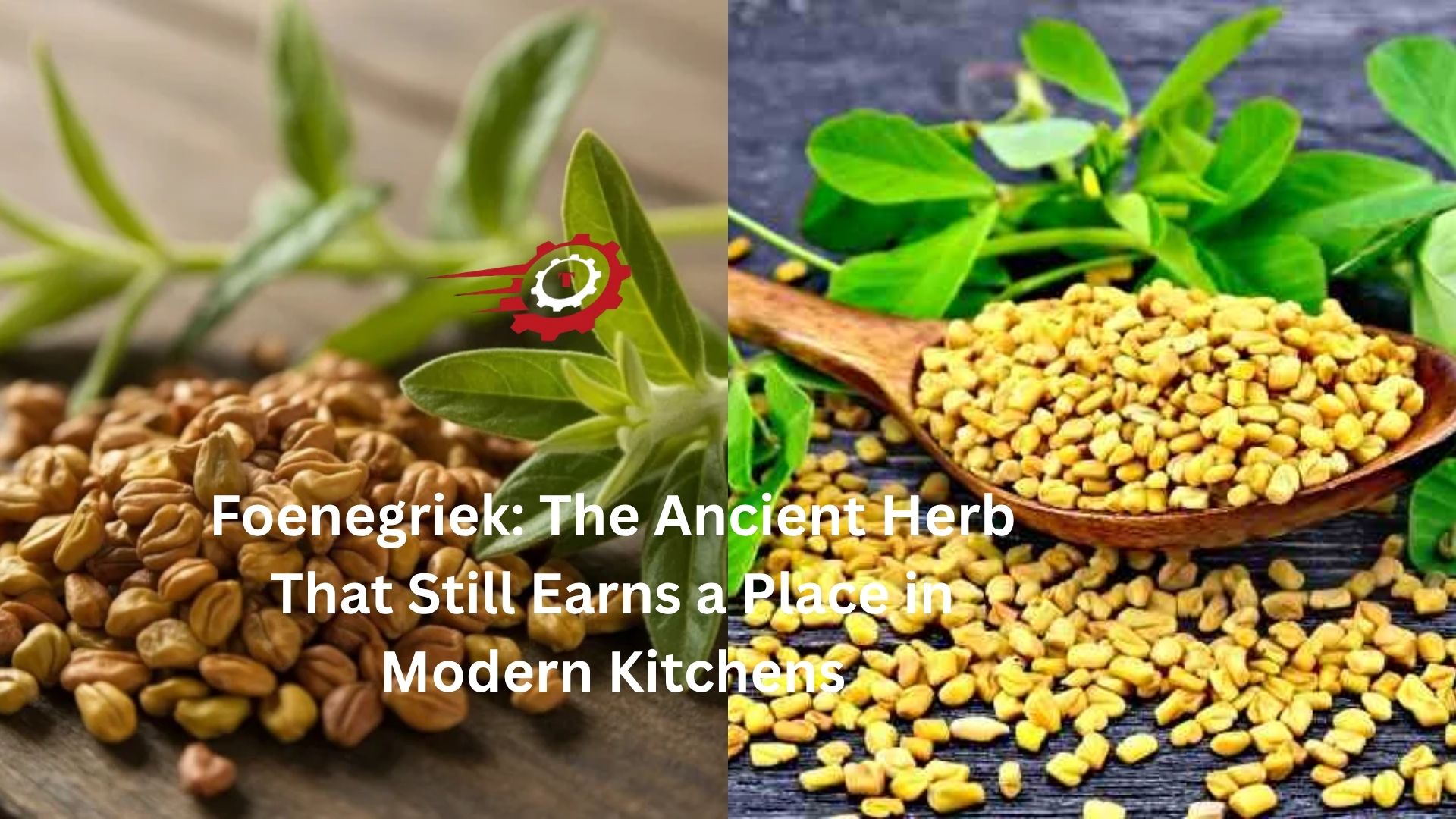
Some ingredients quietly sit in the background for centuries and never really go out of style. Foenegriek is one of them.
You might know it better by its English name, fenugreek. It has been used in cooking, traditional wellness practices, and home remedies across different cultures for generations. Yet many people still walk past it in grocery stores without giving it a second thought.
That’s understandable. Foenegriek doesn’t have the instant popularity of turmeric or ginger. It isn’t usually the star of a recipe. But once you understand what it brings to the table, it’s hard not to appreciate it.
The tiny golden-brown seeds carry a surprisingly rich flavor, a distinctive aroma, and a history that stretches back thousands of years. More importantly, they remain useful in everyday life today.
Table of Contents
- What Is Foenegriek?
- Why Foenegriek Has Been Used for Centuries
- The Unique Taste and Aroma of Foenegriek
- Different Ways People Use Foenegriek
- Cooking With Foenegriek at Home
- Traditional Wellness Uses of Foenegriek
- Nutritional Benefits Worth Knowing
- Common Mistakes When Using Foenegriek
- Growing Foenegriek Yourself
- Is Foenegriek Right for Everyone?
- Final Thoughts
What Is Foenegriek?
Foenegriek refers to the plant Trigonella foenum-graecum, a member of the legume family. Both its seeds and leaves are commonly used.
The seeds are small, hard, and slightly angular. Their color ranges from yellow to light brown. Fresh or dried leaves are also popular in various cuisines, especially in South Asia and parts of the Middle East.
The plant itself isn’t particularly impressive to look at. It grows modestly and produces pods containing the seeds. Yet those seeds have traveled around the world and found their way into countless dishes.
Ancient Egyptians, Greeks, Romans, and people throughout Asia all used foenegriek in different ways. Few herbs can claim such a long and widespread history.
Why Foenegriek Has Been Used for Centuries
Here’s the thing. Ingredients don’t survive thousands of years simply because they taste good.
People keep using them because they serve multiple purposes.
Foenegriek became valuable because it offered flavor, nutritional value, and practical uses beyond cooking. Long before modern supermarkets existed, communities relied on plants that could do more than one job.
Imagine a household hundreds of years ago. Access to ingredients was limited. Storage options were basic. A herb that added flavor, preserved usefulness over time, and supported traditional health practices naturally became important.
That’s one reason foenegriek remained relevant generation after generation.
Cultural traditions also played a major role. Once a plant becomes woven into family recipes and local customs, it tends to stay there.
The Unique Taste and Aroma of Foenegriek
The first encounter with foenegriek can be surprising.
The aroma is strong. Some people notice hints of maple syrup. Others detect earthy, nutty, or slightly bitter notes.
Taste is equally distinctive.
Raw seeds often have a noticeable bitterness. When lightly roasted, however, the flavor transforms. The bitterness softens, and warm, nutty characteristics begin to emerge.
That’s why experienced cooks often toast the seeds before adding them to recipes.
A small amount goes a long way.
Think about making a curry, soup, or spice blend. Adding just a pinch can deepen the overall flavor profile without overpowering everything else.
Using too much, on the other hand, can quickly become overwhelming.
Different Ways People Use Foenegriek
One reason foenegriek remains popular is its flexibility.
Some people use the seeds whole. Others grind them into powder. Fresh leaves appear in certain dishes, while dried leaves add aroma and depth.
You can find foenegriek in:
- Spice blends
- Curries
- Pickles
- Bread recipes
- Herbal teas
- Soups and stews
In Indian cooking, dried fenugreek leaves are often sprinkled over dishes toward the end of cooking. That final touch adds a distinctive aroma that many people instantly recognize.
Meanwhile, seeds frequently appear in Middle Eastern and North African recipes.
Different regions have found different ways to make the most of the same plant.
Cooking With Foenegriek at Home
Many people feel intimidated by unfamiliar spices. Foenegriek doesn’t have to be complicated.
Start simple.
If you’re making a vegetable curry, toast a few seeds in oil before adding onions and garlic. The seeds release their aroma and create a deeper flavor base.
Another easy option involves spice blends. Ground foenegriek works well alongside cumin, coriander, and turmeric.
A friend once added a tiny amount to homemade lentil soup after reading about it online. The result wasn’t dramatic or flashy. The soup simply tasted richer and more complete.
That’s often how foenegriek works. It enhances rather than dominates.
Tea is another popular choice.
Many people steep the seeds in hot water to create a mild herbal drink. The flavor may take some getting used to, but plenty of regular users enjoy it.
Traditional Wellness Uses of Foenegriek
For generations, foenegriek has played a role in traditional wellness practices.
Various cultures have used it to support digestion, overall vitality, and general well-being. Historical records from different parts of the world mention its use in everyday health routines.
Now, it’s important to separate traditional use from medical claims.
What we can say confidently is that foenegriek has a long-standing reputation in herbal traditions. Many families continue using it because it has been passed down through generations.
You’ll often hear stories from grandparents who soaked the seeds overnight or prepared simple herbal infusions.
Whether those traditions came from personal experience, cultural habits, or inherited knowledge, they remain part of foenegriek’s identity today.
Nutritional Benefits Worth Knowing
Beyond flavor, foenegriek contains several nutrients that make it interesting from a dietary perspective.
The seeds provide:
- Fiber
- Protein
- Iron
- Magnesium
- Various plant compounds
Fiber is perhaps one of the most notable aspects.
Many modern diets fall short when it comes to fiber intake. Ingredients like foenegriek can contribute small but meaningful amounts when used regularly as part of balanced meals.
The seeds also contain natural compounds that researchers continue to study.
Of course, nobody should expect miracles from a single ingredient. Healthy eating rarely works that way.
Instead, foenegriek fits into the broader picture of a varied and nutritious diet.
Common Mistakes When Using Foenegriek
A surprising number of people try foenegriek once and never use it again because of a few avoidable mistakes.
The biggest one is using too much.
Because the flavor is strong, beginners often assume more will be better. Usually the opposite is true.
Start with a small quantity and adjust gradually.
Another mistake is skipping the roasting step. Raw seeds can taste excessively bitter. Light roasting improves both flavor and aroma.
Storage matters too.
Like many spices, foenegriek loses quality when exposed to heat, moisture, and sunlight. Keeping it in an airtight container helps preserve its characteristics.
Finally, don’t expect instant results if you’re using it as part of a wellness routine. Traditional ingredients tend to be most effective when incorporated consistently into a balanced lifestyle.
Growing Foenegriek Yourself
One of the pleasant surprises about foenegriek is how easy it can be to grow.
You don’t need a massive garden.
A sunny balcony, small planter, or backyard container may be enough.
The seeds germinate relatively quickly. In many cases, young leaves become ready for harvesting within a few weeks.
Home gardeners often enjoy growing herbs because they provide immediate rewards. You plant a few seeds, watch them sprout, and before long you’re adding fresh greens directly to your meals.
Foenegriek offers exactly that experience.
Fresh leaves have a flavor that’s slightly different from dried versions, which makes homegrown plants especially appealing for cooking enthusiasts.
Is Foenegriek Right for Everyone?
Like any food or herb, foenegriek isn’t necessarily ideal for every individual.
Most people can enjoy it as part of normal cooking without issues. However, anyone with allergies, medical conditions, or specific dietary concerns should seek professional advice before using large amounts or supplements.
Pregnant women, people taking certain medications, and those managing health conditions should be particularly careful about concentrated forms.
Using foenegriek as a culinary ingredient is very different from taking high-dose extracts or capsules.
That distinction often gets overlooked.
Moderation remains a sensible approach.
Final Thoughts
Foenegriek is one of those ingredients that rewards curiosity.
At first glance, it looks like a simple seed. Spend a little time with it, though, and a much richer story emerges. It connects ancient traditions, diverse cuisines, home gardening, and everyday cooking in a surprisingly practical way.
Its flavor isn’t ordinary. Its history is impressive. Its versatility keeps it relevant even in modern kitchens filled with endless ingredient choices.
Whether you decide to add a pinch to a soup, brew it as tea, or grow a small pot on a windowsill, foenegriek offers something that many trendy food products can’t match: centuries of proven usefulness and a genuine place in daily life.
Sometimes the most interesting ingredients aren’t the newest ones. They’re the ones that have quietly stood the test of time.
