

There’s something oddly fascinating about watching a legacy media brand try to reinvent itself in real time. It’s messy. It’s public. And it rarely goes as planned.
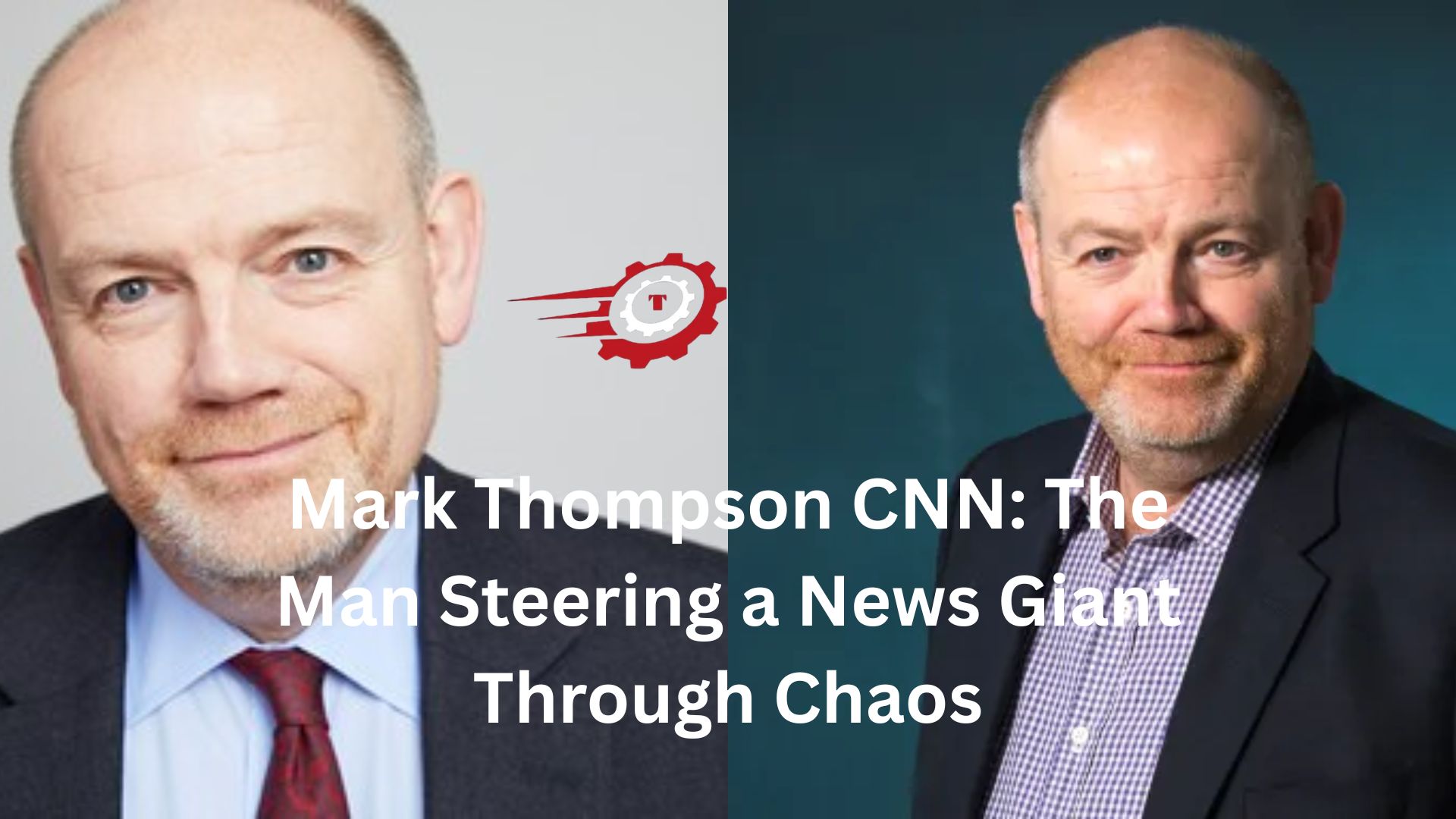
That’s exactly the situation Mark Thompson walked into when he took over CNN.
Not a quiet job. Not a stable moment. More like stepping onto a moving train that’s already wobbling.
And yet, if you’ve followed Thompson’s career, this kind of challenge isn’t new. It’s kind of his thing.
A familiar fixer in unfamiliar territory
Thompson isn’t some flashy newcomer chasing headlines. He’s more like the steady operator you call when things are… complicated.
Before CNN, he ran the BBC. Then he crossed the Atlantic and took charge of The New York Times. Both roles came with their own storms. Budget pressures. Digital disruption. Internal culture clashes.
He didn’t solve everything overnight. No one does. But he did something more important: he made those organizations feel stable again.
That’s a rare skill.
Think about it like this. When a company is struggling, people inside it often feel lost. Strategy shifts every few months. Leadership messages get blurry. Morale dips. Thompson’s reputation comes from doing the opposite. He brings clarity. Direction. A sense that someone actually has a plan.
CNN needed that badly.
Walking into a newsroom mid-identity crisis
Let’s be honest. CNN hasn’t had an easy few years.
Leadership changes. Strategic pivots. Attempts to redefine its tone. Some worked. Some didn’t. Viewers noticed. Staff noticed even more.
Imagine working in a newsroom where the rules keep changing. One month you’re told to lean hard into opinion. The next month, pull back. Then shift again. That kind of whiplash wears people down.
That’s the environment Thompson inherited.
He didn’t walk in with a dramatic “everything changes now” speech. That’s not his style. Instead, he’s been quieter, more methodical.
And that might be exactly what CNN needs.
Less noise, more structure
One thing Thompson tends to do early is simplify.
Not flashy. Not headline-grabbing. But effective.
At the BBC, he pushed for clearer priorities. At The New York Times, he helped accelerate digital growth without losing the core identity of the paper.
At CNN, early signals suggest a similar approach. Focus on what the network actually does best. Strip away distractions. Build consistency.
Sounds obvious, right?
But in a large media organization, that’s harder than it seems. Different teams want different directions. Executives have competing ideas. And the pressure from ratings and social media can push decisions into reactive territory.
Thompson’s approach leans the other way. Slow things down just enough to make smarter choices.
The digital question no one can ignore
Here’s the thing. Traditional TV news isn’t what it used to be.
People still watch, sure. But habits have shifted. Younger audiences don’t sit down at 9 p.m. and flip on a cable channel. They scroll. They stream. They jump between platforms.
Thompson knows this better than most.
At The New York Times, he helped push a major digital transformation. Subscriptions. Apps. A broader content ecosystem. It wasn’t just about surviving the internet. It was about building around it.
CNN now faces a similar crossroads.
It’s not enough to be a cable news leader anymore. The real fight is happening online. And not just against other news outlets. Against everything competing for attention.
YouTube. TikTok. Podcasts. Independent creators.
That’s a very different battlefield.
Balancing speed and trust
News today moves fast. Sometimes too fast.
One of CNN’s long-standing strengths has been its ability to break news quickly. But speed can come at a cost if it isn’t handled carefully.
Trust is fragile. Once it slips, it’s hard to get back.
Thompson has always leaned toward protecting credibility, even if it means being slightly less aggressive in the moment. That doesn’t mean slowing everything down. It means being more deliberate about how stories are told and verified.
Think of it like this. Would you rather be first and occasionally wrong, or slightly later and consistently reliable?
Different outlets answer that question differently.
Thompson’s answer tends to favor long-term trust over short-term wins.
Culture matters more than strategy
Here’s something people outside media often underestimate: newsroom culture shapes everything.
You can have the best strategy on paper. If the internal environment is tense or confused, execution falls apart.
Thompson has a reputation for paying attention to this. Not in a touchy-feely way, but in a practical one.
Clear leadership. Defined goals. Less internal chaos.
It sounds simple. But it’s not easy to implement, especially in a place that’s been through multiple leadership shifts.
Picture a team that’s been told three different directions in two years. Even if a new plan makes sense, there’s skepticism. People wait to see if it sticks.
That’s the real challenge. Not just setting a direction, but making people believe it will last.
The pressure from both sides
CNN sits in a tricky position.
On one side, there’s pressure to compete with opinion-driven networks that thrive on strong personalities and bold takes.
On the other, there’s the expectation to remain a serious, fact-based news organization.
Stray too far in either direction, and you risk losing part of your audience.
Thompson’s background suggests he’ll try to keep CNN grounded closer to traditional journalism. Not boring. But not overly sensational either.
That’s a narrow path.
And let’s be honest, it’s not always the most profitable one in the short term.
Reinvention without losing identity
One of the hardest things for any media brand is changing without becoming unrecognizable.
If CNN shifts too much, longtime viewers might drift away. If it doesn’t change enough, it risks becoming irrelevant.
That balance is where Thompson’s experience could matter most.
At The New York Times, he didn’t turn it into something completely new. He evolved it. Expanded it. Made it more accessible digitally without abandoning its core identity.
CNN needs a similar evolution.
Not a reinvention for the sake of headlines. A steady recalibration.
Small changes that add up
From the outside, people often look for big, dramatic moves. New shows. Big hires. Major announcements.
But the real work tends to happen in smaller decisions.
Editorial priorities. Hiring choices. Internal workflows. How stories are framed. What gets promoted. What doesn’t.
Over time, those choices shape how the network feels to viewers.
You might not notice the shift in a single day. But give it a year, and it becomes clear.
That’s usually how Thompson operates. Incremental, but consistent.
A long game in a short-term world
Media today is obsessed with immediate results. Ratings this week. Engagement today. Viral clips right now.
But meaningful change takes time.
That’s where tension can build. Leadership wants long-term stability. Stakeholders want quick wins.
Thompson has dealt with this before. At The New York Times, the digital strategy didn’t pay off overnight. It required patience. Investment. A willingness to stay the course.
Whether CNN’s stakeholders have that same patience is another question.
What success might actually look like
It’s easy to measure success in simple terms. Higher ratings. More clicks. Bigger headlines.
But for Thompson, success might look different.
A more stable newsroom. A clearer editorial voice. Gradual growth in digital audiences. Fewer sudden strategic swings.
Not exciting on the surface. But powerful over time.
Think about a brand you trust. It probably didn’t earn that trust in a week. It built it slowly, through consistency.
That’s the kind of outcome Thompson tends to aim for.
The reality check
None of this guarantees success.
Media is unpredictable. Audience habits keep changing. Competition keeps growing. Even the best strategy can run into unexpected problems.
And CNN’s challenges aren’t small.
But if there’s one thing Thompson brings, it’s experience in navigating exactly this kind of uncertainty.
He’s done it before. Different organizations, different contexts. But similar underlying problems.
That doesn’t make him a savior. Just someone who understands the terrain.
The takeaway
Here’s where things stand.
CNN needed steadiness. Mark Thompson is known for bringing it.
He’s not the kind of leader who chases quick headlines. He focuses on structure, clarity, and long-term direction. In a chaotic media environment, that might not look exciting day to day. But it’s often what actually works.
Whether that approach reshapes CNN in a meaningful way will take time to see.
But one thing is clear already. The era of constant sharp turns is likely over.
Now it’s about steady steps forward.
