

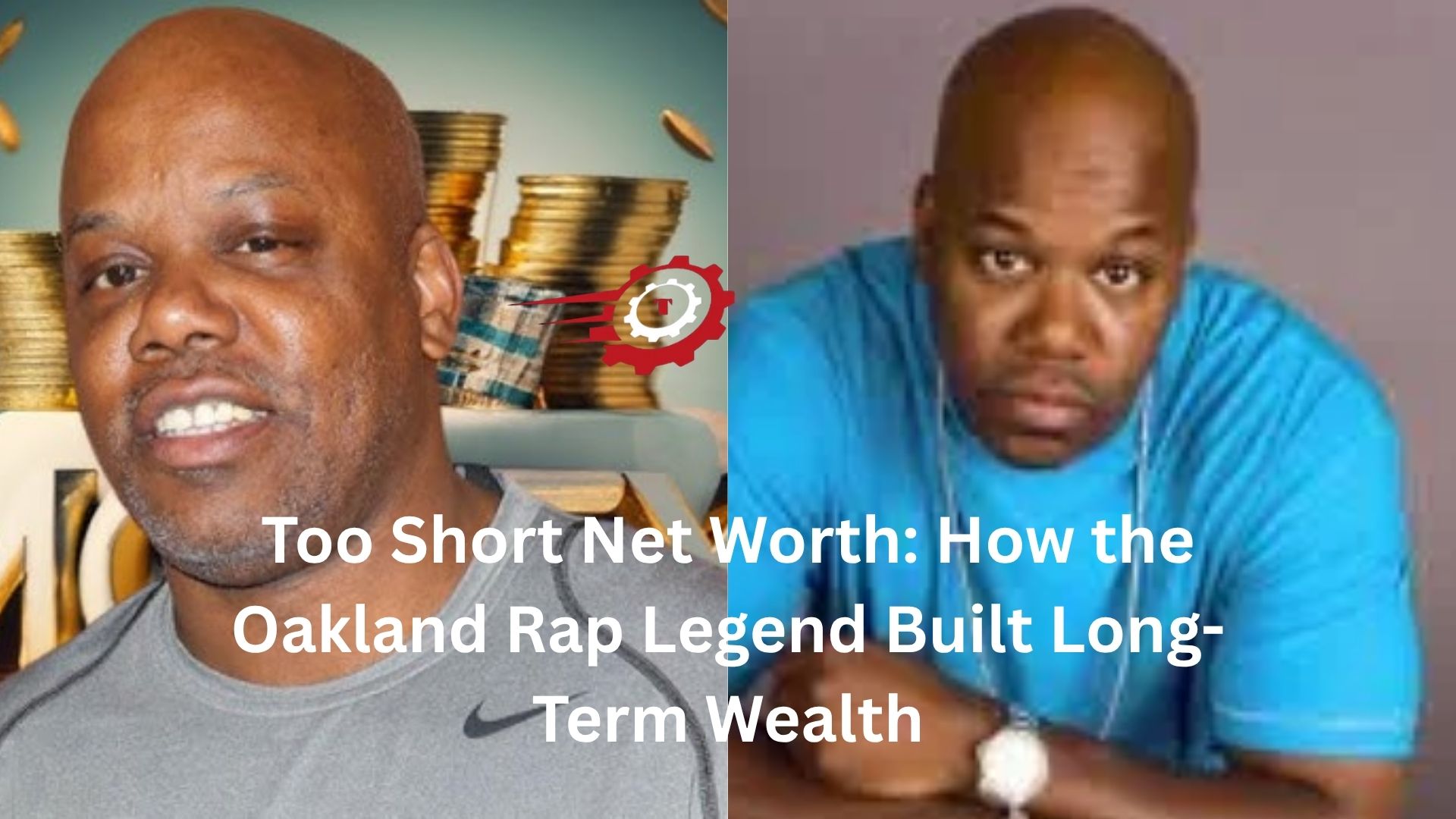
Too Short has been around long enough to watch hip-hop change three or four different times. Most artists don’t survive one era. He somehow stayed relevant through cassette tapes, CDs, mixtapes, streaming, podcasts, and social media clips.
That kind of staying power matters when people start talking about Too Short net worth.
Because here’s the thing. His story isn’t just about music money. It’s about consistency. Longevity. Ownership. Knowing how to stay in the room while trends come and go.
A lot of rappers had bigger moments. Plenty sold more records in a shorter period. But Too Short built something quieter and, honestly, smarter over time.
He never really disappeared.
That changes the math.
Too Short’s Estimated Net Worth
Most estimates place Too Short’s net worth somewhere between $10 million and $20 million.
That’s a pretty wide range, but celebrity net worth numbers are rarely exact. Artists have different business structures, investments, royalties, debts, taxes, and private deals the public never sees.
Still, even on the lower end, it’s impressive.
Especially when you remember where he started.
Too Short wasn’t manufactured by a giant label machine. He built his early audience by selling tapes directly out of his car in Oakland during the 1980s. That detail gets repeated a lot because it says everything about how he approached business.
Independent hustle first. Industry second.
And honestly, that mindset aged well.
The Oakland Roots That Built His Career
Before streaming algorithms pushed songs to millions of people overnight, regional rap scenes mattered a lot more.
Oakland had its own sound. Its own slang. Its own culture.
Too Short leaned into that instead of trying to sound like New York rappers or chase whatever was trending nationally at the time.
That decision probably made him wealthier in the long run.
Artists who build loyal local fan bases often last longer because the support feels personal. People don’t just listen to the music. They feel connected to the artist.
You still see that today. Think about independent creators who can sell out small venues for years without ever becoming global superstars.
Too Short understood that dynamic early.
His raw storytelling and explicit style made him controversial, but controversy also kept his name circulating. Parents hated the music. Teenagers loved it more because of that.
Classic formula.
Album Sales Played a Huge Role
Too Short released a long list of albums over several decades, including major projects like Born to Mack, Life Is… Too Short, and Short Dog’s in the House.
Back then, album sales could completely change an artist’s financial future.
Physical music made serious money during the late 1980s and 1990s. Platinum records weren’t just status symbols. They were business engines.
Too Short benefited from that era.
Several of his albums went gold or platinum, and those sales stacked up over time.
What’s interesting is that he wasn’t always the flashy mainstream rapper dominating every awards show. Yet his audience kept buying records anyway.
That kind of dependable fan loyalty matters more than viral attention.
A rapper might explode online for six months today and disappear just as fast. Too Short built decades of recurring income instead.
There’s a lesson in that beyond music.
Reliable audiences are often more valuable than massive temporary attention.
Touring Kept the Money Flowing
Musicians usually make far more from performing than people realize.
Even artists who aren’t topping charts anymore can earn strong money from tours, club appearances, festivals, and private events.
Too Short has stayed active on stage for years.
And nostalgia is powerful.
Fans who grew up listening to him in the 1990s are now adults with disposable income. They’ll pay for concert tickets, VIP packages, festival passes, and reunion-style performances.
You can see this across music.
A rapper with one dedicated generation behind them can keep earning for decades.
Now add appearance fees, collaborations, DJ events, and guest performances.
Suddenly the income picture gets much bigger.
Features and Collaborations Added Another Layer
One reason Too Short stayed visible is that younger artists kept bringing him into projects.
He collaborated with major names across different generations, including Jay-Z, Snoop Dogg, Tupac, The Notorious B.I.G., E-40, and more.
That matters financially, but it also matters culturally.
Artists who become respected veterans often create second careers for themselves.
Even if they aren’t releasing chart-topping solo albums every year, their voice still carries weight.
Too Short’s style became recognizable instantly.
That signature delivery helped him stay marketable.
It’s similar to hearing a legendary sports commentator or actor. People recognize the voice immediately, and recognition creates opportunity.
Ownership Changed Everything
Let’s be honest.
A lot of artists from earlier generations signed terrible contracts.
Some made millions for labels while personally ending up broke.
Too Short managed to avoid becoming one of the cautionary stories people always bring up in music documentaries.
Part of that comes from his independent background.
When artists start by selling their own work directly, they usually understand the value of ownership earlier.
That doesn’t mean every business decision was perfect. No long career works that way.
But maintaining control over music rights, publishing, and licensing can dramatically increase long-term wealth.
Streaming changed the music business, but ownership still matters.
Actually, it may matter even more now.
Songs from decades ago continue generating money through streaming platforms, movies, commercials, gaming soundtracks, and social media content.
An old catalog can quietly produce income year after year.
That’s one reason veteran artists sometimes end up wealthier than newer stars with bigger social followings.
Too Short Was Never Just a Rapper
People sometimes underestimate how much entertainment careers branch out over time.
Too Short worked in production, acting, media appearances, and business ventures outside straight album releases.
That diversification matters.
Relying only on hit songs is risky.
Careers cool off. Trends shift. Audiences move on.
But artists who expand into multiple income streams usually stay financially stable longer.
Even small projects add up.
A guest appearance here. Production credits there. Licensing deals. Brand relationships.
None of these things may individually look huge from the outside, but together they create durable income.
And Too Short had something many brands and media companies like: authenticity.
He never really felt manufactured.
That gives veteran artists a different kind of credibility.
Why Longevity Matters More Than Flash
A lot of people misunderstand celebrity wealth.
They assume the richest artists are always the loudest or most visible ones.
Not necessarily.
Sometimes the wealthiest entertainers are the people who simply stayed active for 30 or 40 years without completely falling apart financially.
Too Short fits that category.
He didn’t vanish after one successful album cycle.
He adapted.
That’s harder than it sounds.
Music changes fast. Public attention changes even faster.
Yet Too Short kept finding ways to remain connected to hip-hop culture without looking desperate to chase younger audiences.
There’s a balance there.
Some veteran artists try too hard to stay trendy and lose their identity. Others refuse to evolve at all and become irrelevant.
Too Short mostly avoided both extremes.
The Streaming Era Still Benefits Him
Streaming pays artists differently than old-school album sales, and many musicians criticize the system.
Fairly or unfairly, though, streaming heavily rewards large catalogs.
Too Short has one.
Listeners discovering classic West Coast rap often end up exploring older albums and playlists. Songs continue circulating through algorithm recommendations, workout mixes, party playlists, and hip-hop history collections.
That creates recurring royalty income.
No, streaming alone probably isn’t making him outrageously wealthy.
But combined with decades of existing music rights, performances, collaborations, and licensing, it becomes part of a larger financial ecosystem.
That’s usually how long-term celebrity wealth actually works.
Not one giant paycheck.
Hundreds of revenue streams stacking over time.
Too Short’s Lifestyle Seems More Grounded Than Many Celebrities
Another reason some entertainers maintain wealth longer is surprisingly simple.
They don’t burn through every dollar trying to look rich.
We’ve all seen stories about athletes or musicians making millions and ending up bankrupt a few years later.
Huge houses. Massive entourages. Constant spending.
Too Short generally avoided becoming known for financial chaos.
That matters.
Building wealth is one thing. Keeping it is another.
And honestly, the older you get, the more obvious that becomes.
Someone earning steady income over decades while managing expenses reasonably can outperform people who had much larger peak paydays.
Quiet financial discipline rarely makes headlines, but it builds real stability.
His Influence Is Bigger Than Raw Numbers
Net worth conversations can get shallow fast.
People turn everything into rankings.
Who’s richer. Who sold more. Who owns bigger houses.
But cultural influence has value too.
Too Short helped shape West Coast rap culture in ways that still echo today.
His storytelling style, slang, delivery, and independent mentality influenced generations of artists.
That legacy keeps his name relevant.
And relevance creates opportunity.
You can still hear traces of his influence in modern hip-hop.
Not every artist gets that kind of staying power.
The Real Reason Too Short’s Net Worth Stands Out
Here’s what makes Too Short’s financial story interesting.
He didn’t build wealth through one massive crossover moment.
He built it gradually.
That’s probably more sustainable anyway.
There’s something almost old-school about the way his career developed. Consistent releases. Loyal fans. Touring. Collaborations. Ownership.
No overnight miracle.
Just decades of staying active and understanding the business side of music better than many people expected.
And honestly, that’s often how durable wealth works outside entertainment too.
The people who quietly keep showing up year after year usually end up in stronger positions than the people who spike quickly and disappear.
Too Short’s career is a pretty solid example of that idea.
Final Thoughts on Too Short Net Worth
Too Short’s estimated net worth may not place him at the very top of hip-hop’s richest artists list, but that almost misses the point.
His career lasted.
That alone is rare.
He survived changing trends, shifting business models, and multiple generations of rap while continuing to earn from music he started making decades ago.
There’s real value in that kind of longevity.
And maybe that’s the bigger takeaway from his financial story.
Not sudden fame.
Not flashy headlines.
Just consistency, ownership, and knowing how to remain relevant without losing the identity that made people listen in the first place.
